Top 10 Items That Make Estate Sales a Success
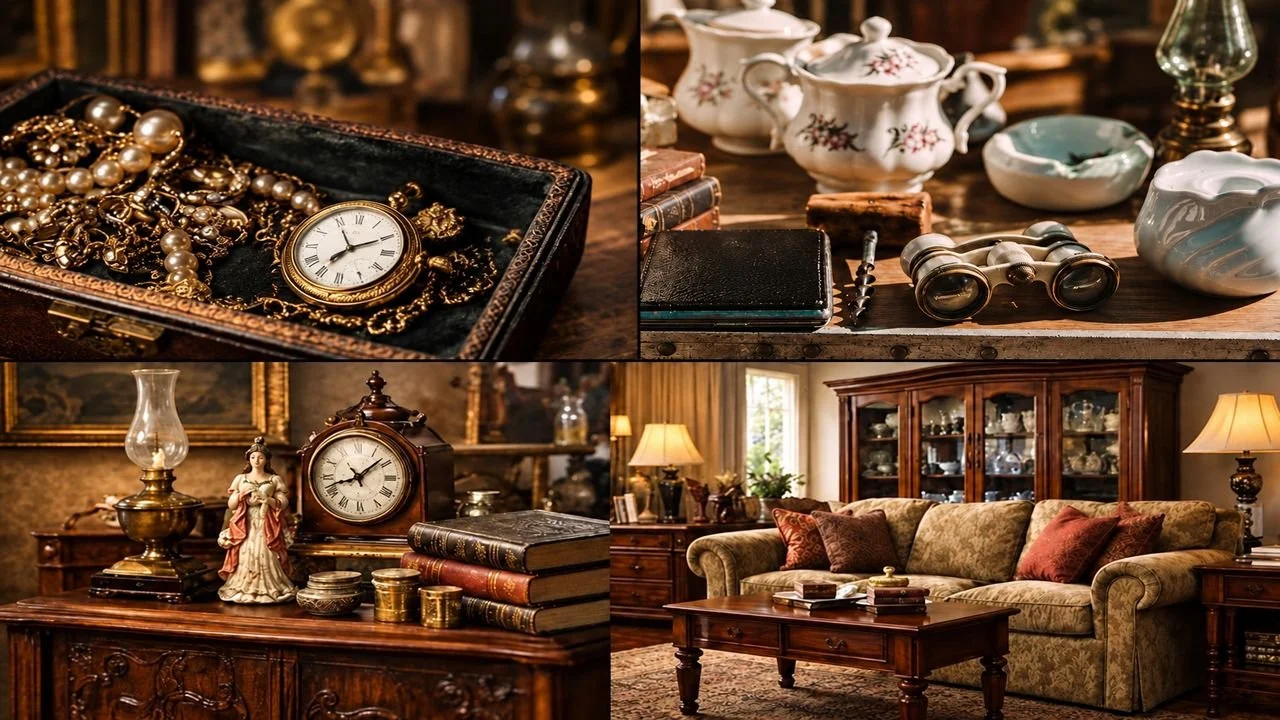
Most families walk into their first estate sale with a garage-sale mindset. Price everything low, put it on a folding table, hope for the best. That approach leaves real money on the table. What actually decides whether a sale performs well isn't the number of items in the house. It's whether the right categories of estate sale inventory are present and priced with the buyers who chase them in mind.
Estate sales in Southern California draw a specific crowd: collectors, dealers, interior designers, and everyday buyers looking for something with history behind it. Knowing how estate sales work, what that crowd shows up for, and why, changes how a sale gets planned from the first walkthrough to the final markdown.
1. Fine Jewellery and Watches
An estate jewellery sale almost always produces the highest per-item returns in the house. Gold, platinum, and sterling pieces carry melt value even before factoring in craftsmanship or gemstones, and that gives sellers a reliable price floor.
Buyers at these sales include private collectors and resellers who know current gold and silver spot prices down to the day. Costume jewelry sells too, just at a different pace and price point. What separates a strong result from a weak one is verification: appraised or tested pieces sell faster because buyers trust the tag.
2. Original Art and Signed Prints
Art estate sales reward pieces with a clear signature, a known artist, or a documented provenance. A painting with a gallery label or a dated purchase receipt sells at a different multiple than the same painting with none of that history.
Oil paintings and original works typically outperform prints and posters
Local or regional artists often have a dedicated following worth researching before pricing
Frames, especially vintage or hand-carved ones, add resale value on their own
Most sellers underprice art because they don't recognize the artist's name. Running a quick search on the signature before the sale prevents that mistake.
3. Vintage and Antique Furniture
Solid wood furniture from before the 1970s consistently draws interest, particularly mid-century modern pieces, which have held strong demand for over a decade. Particleboard and veneer furniture from recent decades sells slowly and for very little, if at all.
The test that matters here isn't age alone. It's construction. Dovetail joints, solid wood drawers, and quality hardware signal a piece built to last, and buyers who furnish with vintage estate sales and estate auctions know exactly what to check.
4. Coins, Currency, and Precious Metals
Coin collections bring a built-in, price-transparent buyer base. Numismatists check current values before they arrive, which means pricing has to be accurate or the collection either sits unsold or walks out the door underpriced.
Silver coins minted before 1965 carry bullion value regardless of condition
Rare dates, mint errors, and proof sets can be worth many times face value
Gold and silver bars or bullion rounds should be priced against the day's spot price
5. Books, First Editions, and Ephemera
Book estate sales are easy to underestimate. Most paperbacks and book club editions have little resale value, but first editions, signed copies, and pre-1950s hardcovers with intact dust jackets can bring surprising prices to serious collectors.
Old maps, postcards, letters, and photographs, often called ephemera, draw a smaller but dedicated buyer base willing to pay well for the right piece of local or historical interest.
6. Collectibles With an Active Secondary Market
Trading cards, comic books, vinyl records, and vintage toys have all seen renewed buyer interest in recent years, driven partly by nostalgia and partly by younger collectors entering categories their parents once ignored. Understanding the difference in an estate sale vs garage-sale can also help sellers recognize why these collectibles may attract more specialized buyers.
Condition and original packaging matter more here than in almost any other category
Complete sets sell for more than the sum of individual pieces
Researching recent sold listings, not asking prices, gives the most accurate pricing picture
7. Silverware and Fine China Sets
Sterling silver flatware and serving pieces hold intrinsic metal value, which puts a floor under the price even if the pattern isn't in demand. Complete or near-complete china sets from recognized makers still attract buyers setting up a home or replacing broken pieces from an existing set.
Incomplete sets and everyday stoneware move much more slowly. Grouping partial sets together, rather than pricing piece by piece, tends to clear them faster.
8. Tools and Garage or Workshop Equipment
Quality hand tools and power tools, especially older American-made brands built before manufacturing shifted overseas, draw a steady crowd of buyers who value durability over a lower price on a newer, less sturdy replacement.
Name-brand tools in working condition sell quickly and close to full price
Sets and organized toolboxes sell faster than loose, mixed bins
Testing tools before the sale, when it's safe to do so, builds buyer confidence
9. Rugs, Textiles, and Home Decor
A well-preserved wool or hand-knotted rug can be one of the highest-value items in an entire estate sale home, particularly if it's a recognized style like Persian, Turkish, or Navajo. Understanding estate sales helps buyers and sellers recognize that quilts, tapestries, and other handmade textiles follow a similar pattern: age and craftsmanship matter more than size.
10. Kitchenware and Small Appliances With Character
Cast iron cookware, vintage mixers, and well-known kitchen brands from past decades sell reliably because they're functional as well as collectible. Buyers aren't just decorating. Many plan to use what they buy, which keeps demand steady across almost every sale.
Make Every Estate Sale Item Count
A successful sale starts with knowing what buyers value and presenting each item in a way that attracts the right audience. From jewelry and collectibles to furniture, artwork, tools, and home décor, thoughtful organization and accurate pricing through an estate sale business can help every category reach its potential. With the right planning and attention to detail, families can turn sale inventory into meaningful returns while making the entire process more organized and manageable.